What Really Saves You Time, Money, and Sanity in Kansas City (and for Commercial Spaces) 💪
Why so many DIY grout projects don’t stick (literally)
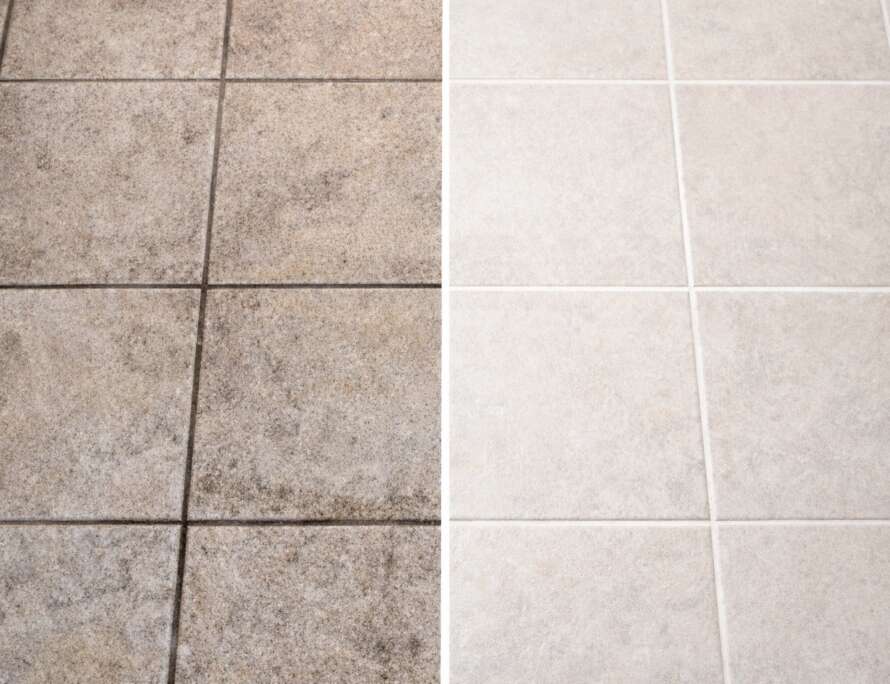
You scrub. You seal. It looks great…for a week. Then stains creep back, the shower smells musty, and your lobby floor looks dull right after mopping. Sound familiar? For most Kansas City homeowners—and for property managers running restaurants, hotels, bank lobbies, hospitals, churches, schools, and retail locations—the difference between DIY and professional grout cleaning shows up in three areas: the depth of the clean, seal longevity, and health/safety.
This guide cuts through the noise: when DIY is reasonable, when pro service pays back fast, and how to avoid the most expensive mistakes we fix every week.
DIY vs. Professional: The honest, experience-based comparison
🧰 DIY Grout Cleaning: When it can work—and why it often doesn’t
Pros (homeowners):
- Lower upfront cost (cleaner, brush, and a weekend).
- Faster to get started—no scheduling.
- Light touch-ups can be fine for low-traffic, low-moisture areas (e.g., a powder room backsplash).
Cons (what we see in the field):
- Shallow clean: Household products rarely extract deeply embedded grime from porous grout, especially in showers and high-traffic floors.
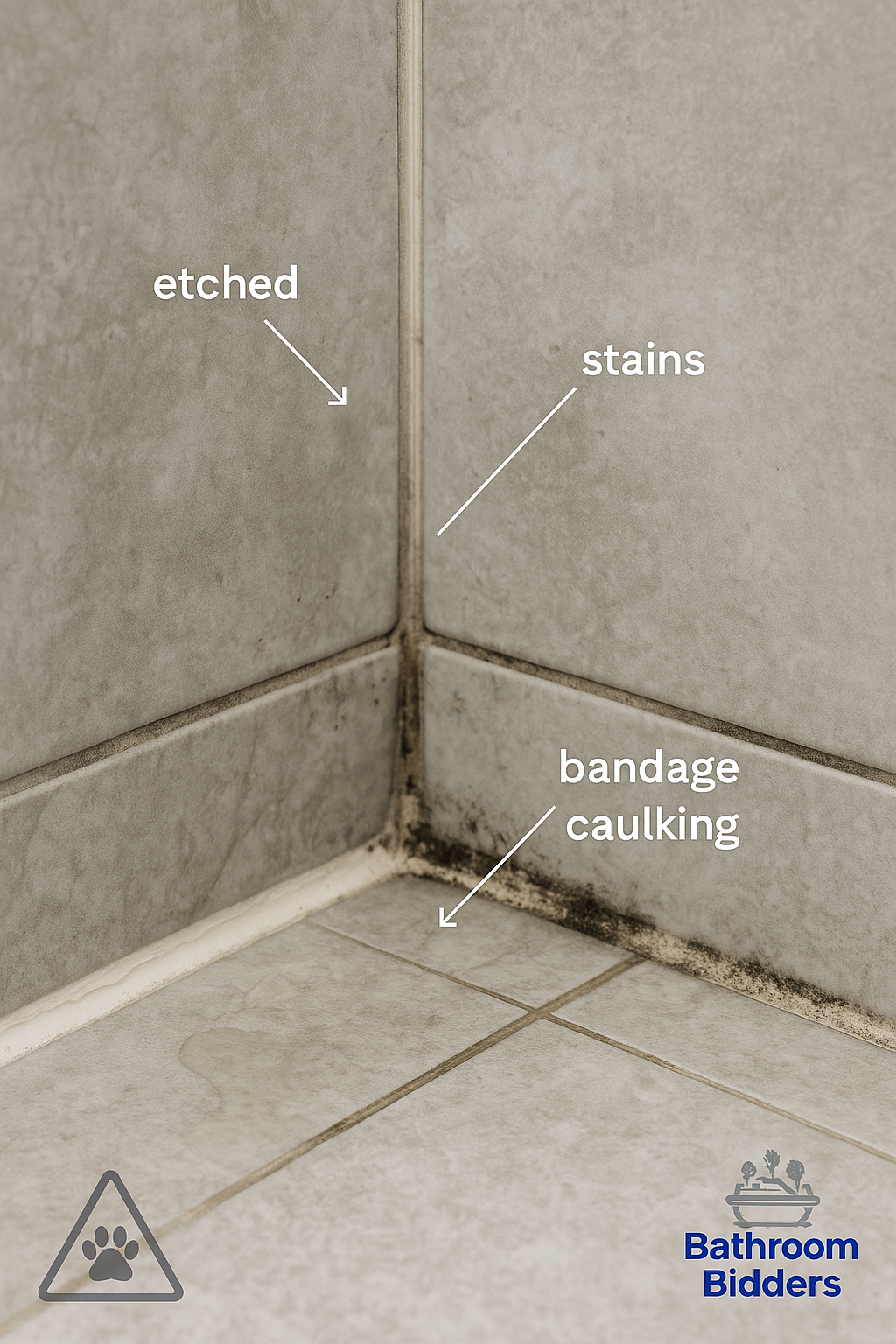
- Wrong chemistry on natural stone: Vinegar, lemon/orange-based cleaners, and Windex can etch stone or degrade sealers.
- Sealing before cleaning: Traps stains and moisture (the #1 reason DIY seals fail fast).
- “Bandage” caulking: Repeated caulking over problem areas hides issues for a while but doesn’t address moisture intrusion.
- Short lifespan: Even if it looks clean for a week or two, the protection often doesn’t last—especially with Kansas City humidity and hard water.
- Pet safety & indoor air: Some over-the-counter sealers or cleaners aren’t ideal for pets; ventilation and 24-hour precautions are often skipped.
Best-case DIY use-cases:
- Light maintenance on low-use areas (backsplashes, guest baths).
- Quick touch-ups between professional service cycles.
- Ceramic/porcelain surfaces (not natural stone), using pH-neutral cleaners and no harsh acids/alkalis.
🧑🔧 Professional Grout Cleaning: What changes the outcome
What pros do differently (our standard):
- Pre-inspection → identify tile type (ceramic/porcelain vs. natural stone), problem areas, and prior product use.
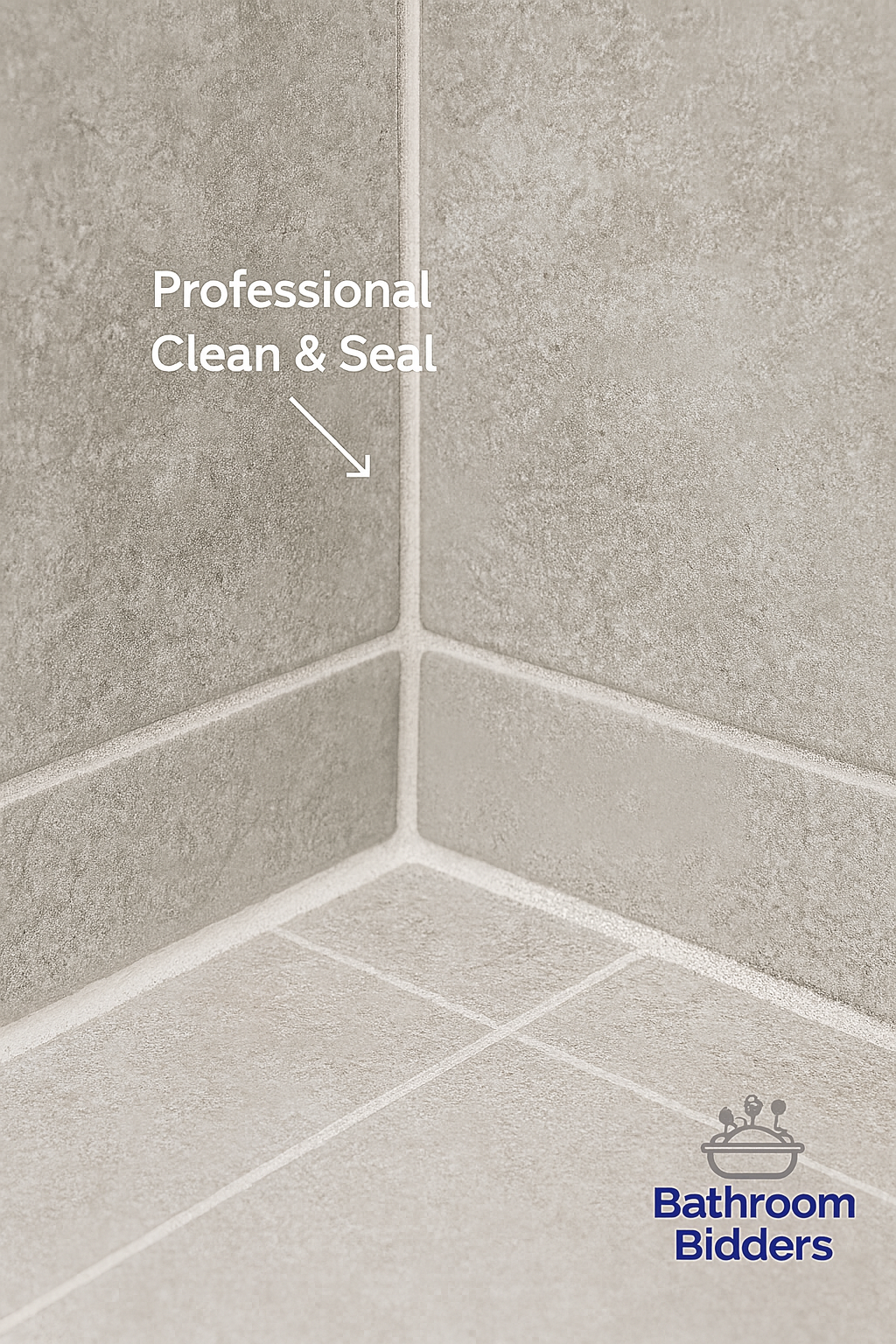
- Professional clean → deep, methodical extraction; remove residues and previous poor sealers.
- Dry time → crucial step many DIYers skip; we allow actual dry-down so moisture isn’t trapped.
- Penetrating sealer → chosen for the surface (especially for natural stone) to protect below the surface without plasticky film.
- Care instructions → pH-neutral products, what to avoid, and how to extend seal life.
Benefits homeowners feel:
- Longer seal life (clean → dry → seal done right).
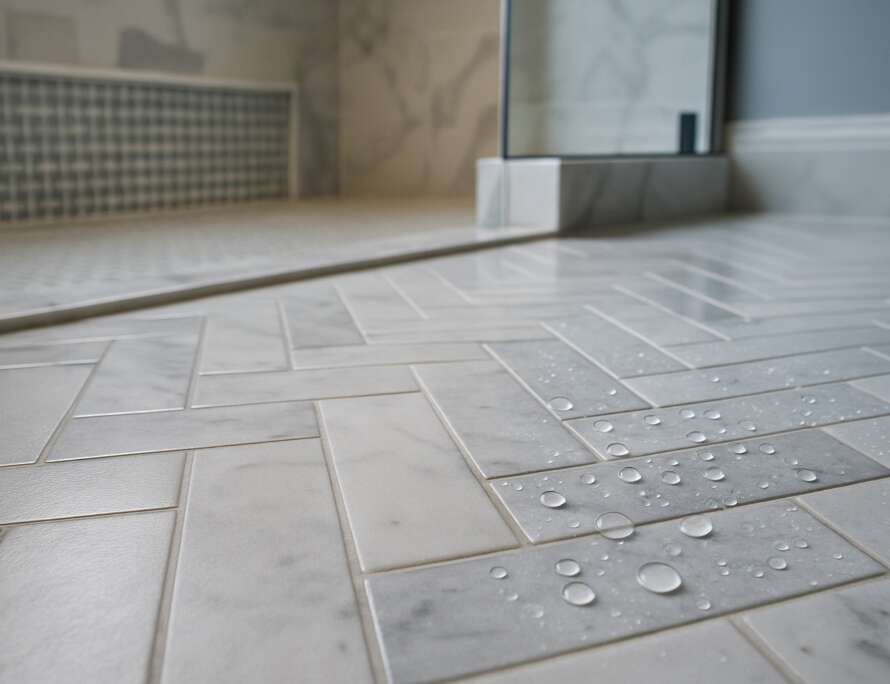
- Cleaner look for longer (water beads, stains release easier).
- Health & odor: Mold/mildew risk drops; bathrooms smell fresh longer.
- Pet-safe options: With clear instructions (e.g., keep pets away from area for 24 hours).
Benefits facilities notice (commercial):
- Better first impression in lobbies, retail, and restaurants.
- Less nightly deep cleaning—janitorial tasks are faster when grout doesn’t absorb grime.
- Hygiene compliance in hospitals, clinics, schools, and food-service settings.
- Off-hours service to avoid disruption.
Commercial reality check 🏬: Why DIY rarely pencils out at scale
- Restaurants & hotel bathrooms: Spills, grease, sanitation cycles = 6–12 month reseal needs; DIY cleaning usually isn’t deep enough, and DIY sealing is too inconsistent to keep up.
- Bank & retail lobbies: Constant traffic grinds grime into grout. A professional deep clean + reseal keeps floors bright and reduces the “always looks dirty” effect after mopping.
- Churches & schools: Weekend events and weekday traffic demand predictable maintenance windows—pro off-hours execution is a lifesaver.
- Hospitals & clinics: Disinfectants and strict hygiene standards demand professional products and process; DIY risk here isn’t worth it.
For exact reseal cadences by environment, check out our “How Often Should You Reseal Grout?” guide.
What DIYers get wrong (stories from the field) ⚠️
- Sealing before cleaning: “It looked better for two weeks, then everything came back.” That’s trapped contamination.
- Vinegar/citrus on stone: Great on windows; terrible for marble/limestone. Etches the surface and shortens sealer life.
- Windex on natural stone: Can leave residues and dull the surface.
- Layering caulk: Think of it like putting bandages over a wound that needs stitches—comforting but not curative.
- Skipping dry time: Even a high-end sealer won’t perform if moisture is sealed in.
Pro tip: If you’re unsure what your tile is (porcelain vs. marble), stop and get a quick pro check before you put anything on it. That 5-minute consult can save a surface.
The money question 💵: Cost vs. value, DIY vs. pro
DIY costs
- Out-of-pocket: cleaners, tools, time.
- Hidden costs: wrong chemistry, trapped stains, etching, and recon work later—especially in showers and on natural stone.
- Opportunity cost: your weekends.
Pro costs
- Higher upfront—but you gain longevity, health/safety compliance, and less frequent heavy cleaning.
- For commercial teams, the savings often show up as fewer deep-clean hours and better guest experience (fewer complaints).
When pro is a no-brainer:
- Shower walls/floors with chronic stains.
- Natural stone (risk of etching).
- Commercial/public areas with heavy traffic or hygiene standards.
- You plan to sell your home (or just bought one).
- Walkthrough + test (Kansas City home or facility) → identify tile/grout type.
- Pre-treat & deep clean → remove grime, residues, and failed sealer.
- Dry-down → fans/dehumidification as needed (especially showers).
- Penetrating sealer → chosen for tile/grout type; applied correctly.
- Cure & protect → clear guidance on re-entry (pets/people) and first 24 hours.
- Care plan → exactly which pH-neutral cleaner to use, and when to call us.
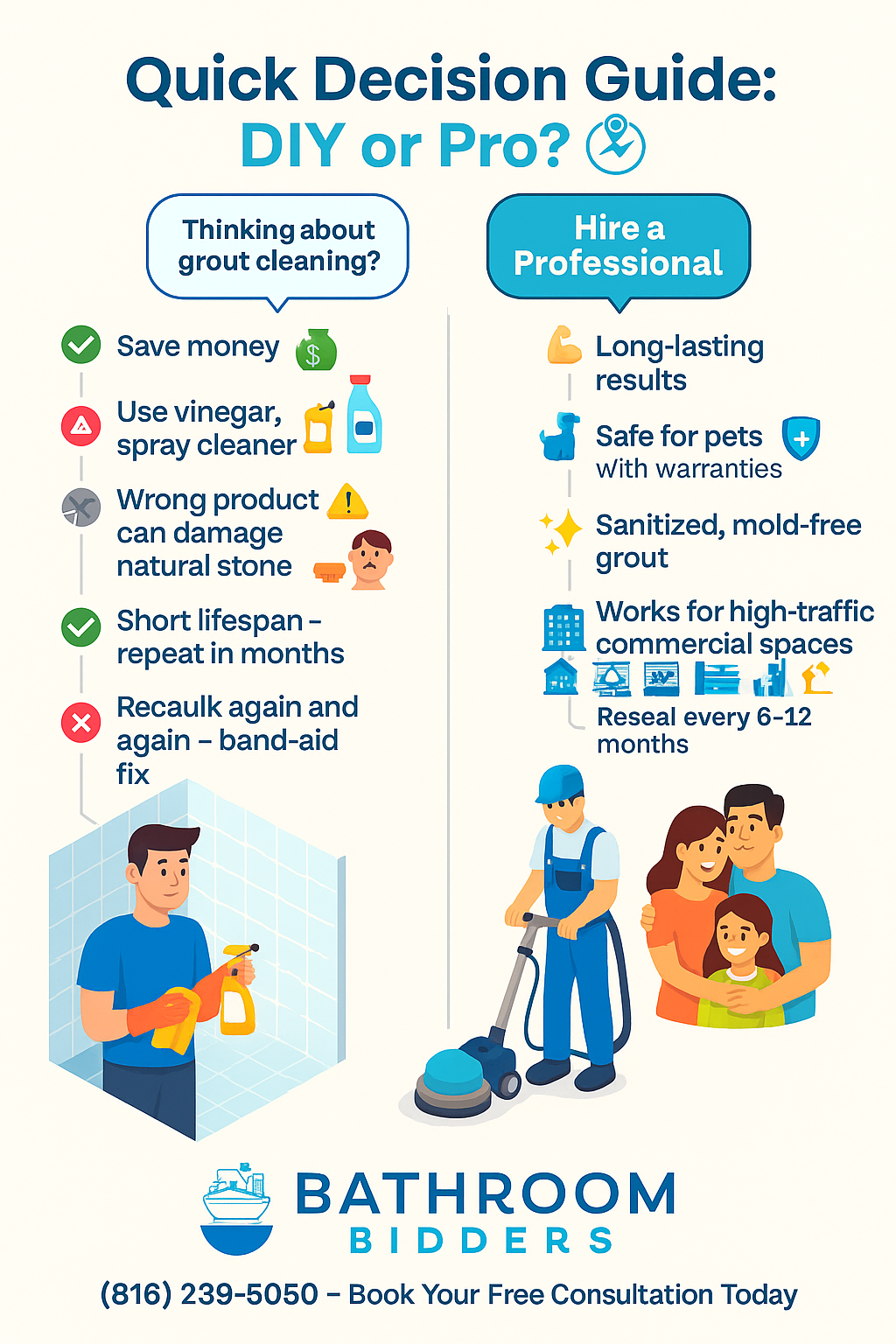
DIY or Pro Grout Cleaning? 🧭
DIY makes sense if…
- It’s a small, low-use area (backsplash, guest bath).
- You’re on ceramic/porcelain (not natural stone).
- You’ll use pH-neutral products and follow label directions.
- You accept a shorter-term result.
Go pro if…
- It’s a shower (high moisture, high mold risk).
- You have natural stone (marble/limestone/slate, etc.).
- The area is high traffic (kitchen, entry, lobby, retail floor).
- It’s commercial or requires hygiene compliance.
- You want longer-lasting clean & protection (and less day-to-day effort).
Local proof: What we see in KC homes & facilities 🏠🏬
- Home showers (Overland Park, Olathe, Leawood): DIY often looks fine for a couple of weeks, then stains return; a deep pro clean + proper sealing lasts, with water beading and easier wipe-downs.
- Restaurants (KC Metro): Nightly mopping forces grime into unsealed grout—after a pro clean + reseal, surfaces look better longer and require less scrubbing.
- Hotels & retail lobbies: After reseal, the “always looks dirty after mopping” effect goes away—floors actually look clean when they’re clean.
- Hospitals, churches, schools: Pro products/processes help match hygiene needs; scheduling off-hours avoids disruption.
On maintenance and avoiding rework 🧽
- Stick to pH-neutral for routine care—especially on natural stone.
- Skip vinegar/citrus on stone; don’t use Windex on stone.
- Address moisture issues (ventilation, fan run-times).
- Don’t layer caulk repeatedly; fix the underlying problem.
- Do the water-drop test—if water darkens the grout quickly, it’s time to reseal (link to your “Reseal Schedule” post).
FAQ
Is DIY grout cleaning safe for natural stone?
Only with the right products; avoid acidic/citrus cleaners and glass cleaners. Use stone-safe, pH-neutral solutions. When in doubt, get a quick assessment.
Why do my stains come back so fast after DIY sealing?
If you seal before fully cleaning and drying, you trap contamination and moisture—so stains “re-appear.” Pro work follows clean → dry → seal.
Can you work off-hours for my business?
Yes. We regularly schedule restaurant, retail, hotel, and healthcare projects to minimize downtime.
How long does professional sealing last?
Depends on traffic and environment; homeowners often see ~2 years in busy areas, while many commercial spaces require 6–12 month cycles. See our Reseal Schedule post.
Final word
DIY grout cleaning can be fine for small, low-traffic areas—but when you’re dealing with showers, natural stone, heavy traffic, or commercial hygiene needs, professional cleaning and sealing deliver a deeper clean, longer protection, and safer outcomes. If you’re in the Kansas City area (Overland Park, Olathe, Leawood, KC Metro), we’re ready to assess your surfaces and map a plan that actually lasts.
Ready to stop re-doing the same job?
📅 Book a Free Consultation or 🛠️ Request a Commercial Maintenance Plan—we’ll handle the heavy lifting (and you’ll love how your grout looks next month, not just tomorrow).