KC Homeowners & Facility Managers Guide

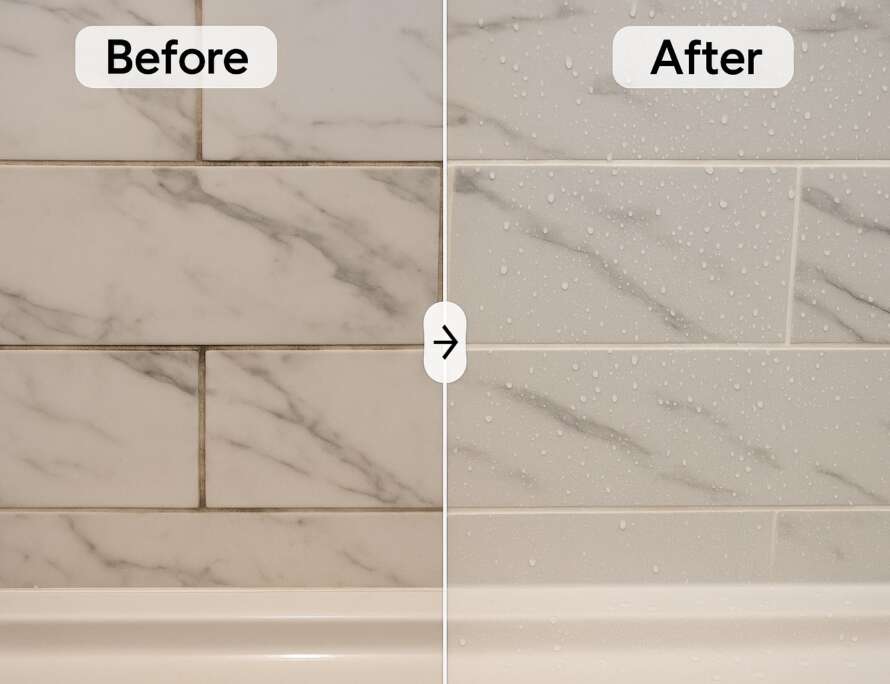
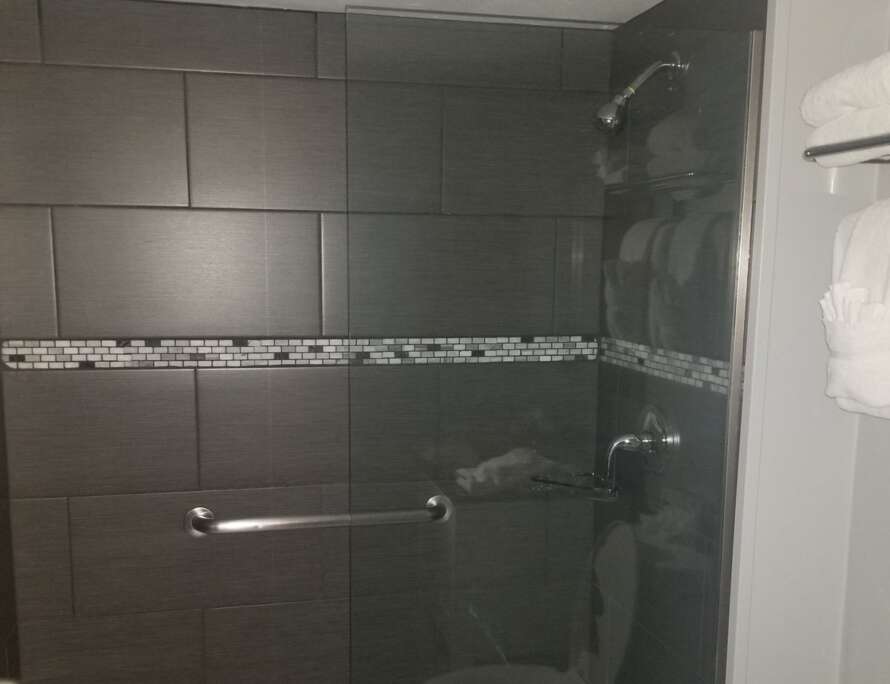
Most grout problems we see in Kansas City show up the same way, whether it’s a home, restaurant, or school. Grout is what makes a space look clean or neglected. Here are the mistakes we fix most often, why they happen, how to spot them early, and what actually works to solve them.
1) Using Vinegar, Bleach, or “Citrus” Cleaners on Grout & Stone 🍋
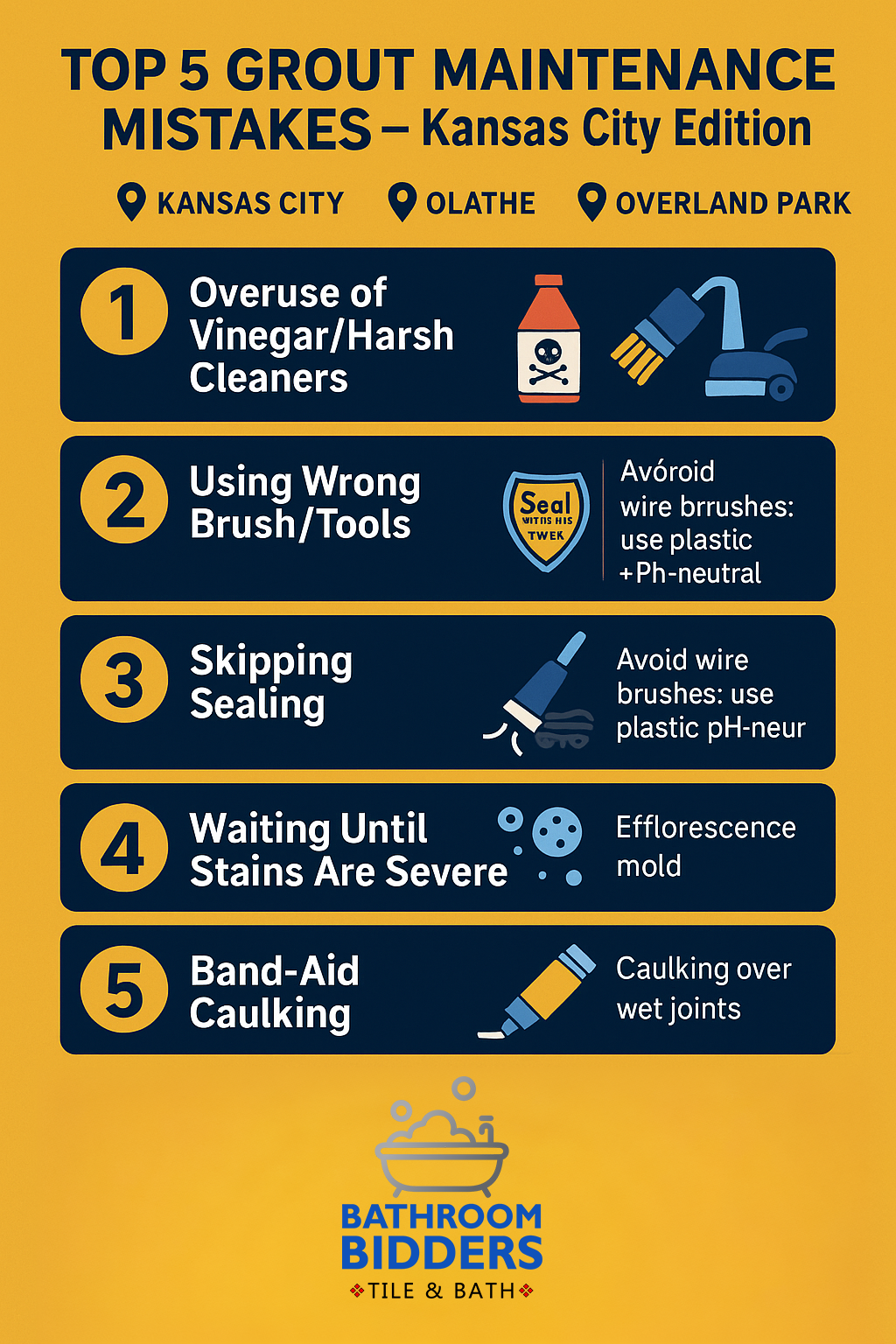
Acidic cleaners break down natural stone and strip grout sealer. On metal finishes like brushed nickel, acids cause oxidation almost immediately. The result is dull spots, surface marks, and a film that regular cleaning will not remove.
In our experience, new homeowners often use citrus sprays, thinking they are safe. What we see most often are acid marks on counters and shower walls. Fixtures sometimes already show early signs of oxidation.
Use a pH-neutral cleaner and a microfiber cloth. Leave strong chemicals to professionals. After repairs, seal the surface and stick with neutral cleaners.
In restaurants and hotel lobbiesstone surfaces show etch rings fast. Nightly neutral cleaning and dry buffing help keep the shine between professional maintenance visits.
2) Skipping Sealing (or Believing “It’s In the Grout”) 🛡️
Unsealed grout soaks up water. If grout gets darker when wet, moisture is getting in. This leads to soaked mortar, shifting tiles, and cracked joints. Once the joints crack, there are 7 signs that tell you whether moisture is already behind the tile.
In our experience, sealing everything twice is a safe bet. Unsealed stone stains easily from spills. In showers, grout that stays dark long after use usually needs resealing.
What we see most often: grout that stays dark, a musty smell, stains that keep coming back, and eventually a white crust as water dries through the mortar.
The fix is a deep clean, full dry, and two coats of sealer matched to the material. Kitchens and baths need resealing more often than low-traffic rooms.
In commercial kitchens, restrooms, and entries, apply a topical barrier on tile and grout before opening. This protects new installations and helps keep warranties valid.
3) Using the Wrong Tools (Wire Brushes + Steam) 🧹
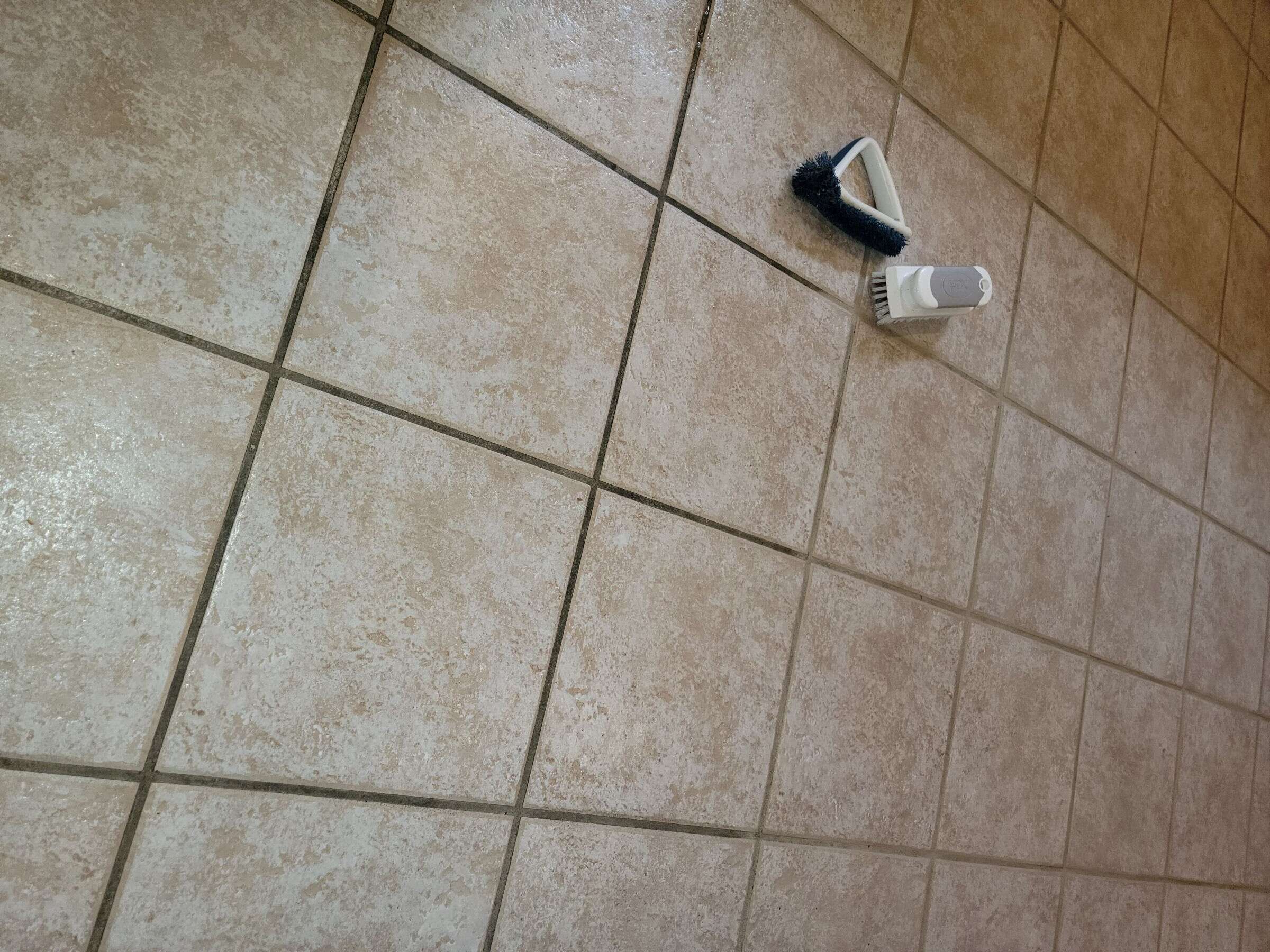
Wire brushes damage grout, leave rust, and stain porous surfaces. Used with acids, they cause oxidation and discoloration, even on white tile. Steam pushes moisture deeper and can widen small cracks.
If you are cleaning grout yourself, avoid wire brushes. Use a plastic-bristle brush and a neutral cleaner. Leave aggressive methods to professionals.
In banks and hotels, steam cleaning may look effective at first but it often causes long-term moisture problems. Set janitorial routines to use neutral cleaner and microfiber. Report stains for maintenance.
4) Waiting Until Stains, Mold, and Efflorescence Are Severe ⏳
Each shower cycle re-soaks the grout. As the mortar dries, it leaves a chalky white residue and can open small cracks. Left alone, panels loosen, and the shower pan may need replacement.
The cost difference is real. Before you assume a tear out, this is how a Kansas City installer decides whether tile needs replacing or just a clean and seal. Early intervention means cleaning and resealing. Waiting too long often means repairs, re-grouting, or even partial demolition.
Quick check: After a shower, if grout lines stay dark for hours or you see black spots or holes in joints or caulk, schedule an assessment before it gets worse.
5) “Band-Aid” Caulking Over Problems 🩹
Caulking over wet or failing joints traps moisture. This discolors new caulk, encourages mildew, and can loosen tiles.
Find where water is getting in, clean and dry the area, and rebuild the joint correctly. Reseal and re-caulk only after the rest of the system is sound.
#1 Commercial-Only Mistake We See in KC
The most common mistake we see is skipping a post-install topical seal in kitchens, bathrooms, and entries due to tight schedules. This leaves the surface unprotected where traffic is highest, leading to quicker deterioration.
The impact shows up fast. Entry haze, etched stone at counters, and stained restroom joints can make a space look worn within weeks. Early sealing and regular maintenance with neutral cleaners and scheduled touch-ups keep the finish looking new longer.
The Golden Rule for KC Homeowners & Facility Managers
Clean with neutral products and seal everything twice. Match your reseal schedule to how much use the area gets and the material type. Do not assume pre-sealed grout is fully protected. Warranties differ, but your maintenance plan should be consistent.
🤔 Grout Mistake Self-Test
Answer 5 quick questions to see your risk and what to do next.
Frequently Asked Questions (Kansas City)
Is grout sealing worth it in Kansas City’s humidity?
Yes, especially in Kansas City and Johnson County, where humidity and temperature swings accelerate moisture absorption. Unsealed grout acts like a sponge. In our inspections across Overland Park and Olathe, grout that stays dark hours after a shower is almost always unsealed or failing. Proper sealing prevents moisture intrusion, mold growth, and premature tile failure.
How often should restaurants reseal tile and grout floors?
Most restaurants should reseal every 12–24 months, depending on traffic and cleaning routines. Kitchens, restrooms, and entryways often need annual resealing. We see the fastest wear in KC restaurant lobbies and prep areas, where acidic cleaners and heavy foot traffic quickly break down sealers.
🧰 Grout Care Checklist
Three quick lists you can actually finish. Check items off and download a printer-friendly PDF when you’re done.
Tip: If grout stays dark for hours after use, or you see efflorescence, book a pro inspection.
What to Do Next (Fast Actions) ✅
- Commercial: schedule an off-hours barrier coat for entries/restrooms and set janitorial SOPs to neutral-only cleaners.
- 5-minute shower test tonight: note grout darkening and how long it persists after use.
- Swap your current bathroom cleaner for a pH-neutral formula + microfiber.
- Book a professional inspection if you notice dark stains, white crust, or black spots on your grout.
📅 Book a Free Grout & Sealing Consultation
Get a faster diagnosis, a pH-neutral cleaning plan, and a two-coat seal that holds up to your traffic, whether at home or in a commercial setting.
📞 Prefer to talk? Tap to call now.
Related Links
- Grout Cleaning & Sealing Services
- DIY vs. Professional Grout Cleaning
- How Often Should You Reseal Grout?
Put one drop of water on the grout. If it beads you are fine. If it soaks in and darkens, the sealer is gone. Our 11 point audit walks the rest of the house in about two minutes and gives you a straight answer on whether it is a clean and seal or a repair.
Take the free 2 minute audit